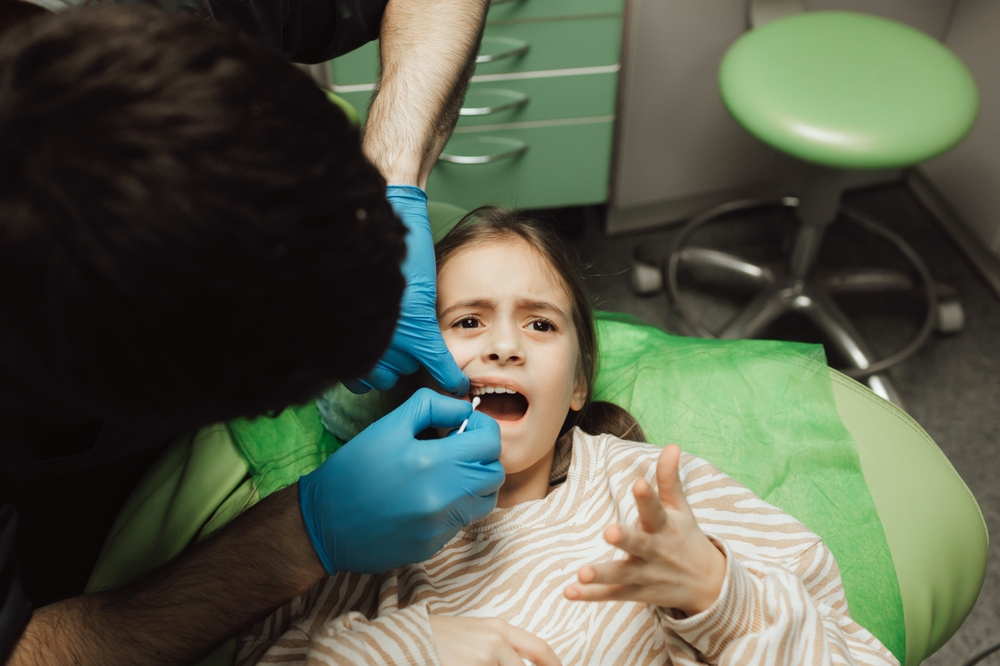
Dental health in children is an important focus for parents, and preventive care can play a significant role in avoiding cavities. One effective preventative measure is dental sealants. These protective coatings are applied to the chewing surfaces of teeth, especially molars, where grooves and pits make brushing challenging. Sealants provide a barrier that helps reduce the risk of decay and supports long-term oral health.
What Are Dental Sealants?
Dental sealants are thin, protective coatings painted onto the surfaces of teeth. They fill in the grooves and pits where food particles and bacteria are likely to accumulate, making it easier to keep teeth clean. Sealants are usually applied to permanent molars as soon as they erupt, often around ages six and twelve. By creating a smooth surface, they prevent plaque from settling in hard-to-reach areas, reducing the chance of cavities forming.
How Sealants Work?
Once applied, sealants form a physical barrier over the enamel. This barrier prevents acids and bacteria from reaching the sensitive areas of the tooth that are most susceptible to decay. The process is painless and does not require drilling or removal of any tooth material. A dentist or family dentist typically applies sealants in a single visit, and the procedure is quick and straightforward for children.
Benefits for Children
Children are particularly vulnerable to cavities because their molars have deep grooves that can trap food and bacteria. Sealants may help protect these teeth during the years when children are still learning proper brushing and flossing techniques. By preventing decay early, sealants can reduce the need for fillings or other dental procedures in the future.
Sealants also complement other preventive dental care measures, such as fluoride treatments and regular check-ups. Together, these strategies may help maintain a child’s oral health, reduce dental anxiety, and promote positive habits that last into adulthood.
Maintaining Sealants
Although sealants are durable, they are not permanent. Routine dental visits allow a dentist or family dentist to check the condition of sealants and reapply them if necessary. Proper oral hygiene, including brushing twice daily and flossing, further ensures that sealants provide maximum protection. A balanced diet that limits sugary snacks and drinks may also support the longevity of sealants.
When to Consider Sealants?
Parents should discuss sealants with their child’s dentist, especially when permanent molars begin to erupt. Children who are prone to cavities or have a history of tooth decay may particularly benefit from sealants. Early application helps establish a protective foundation that may support overall oral health throughout childhood and adolescence.
Protect Your Child’s Smile Today!
By providing a protective barrier, they help keep the enamel strong, support oral hygiene, and reduce the likelihood of decay in hard-to-clean areas. Brookside Family Dental (Leamington) offers expert guidance on dental sealants and preventive care for children. By scheduling a consultation, parents can learn how sealants may support their child’s dental health, provide long-lasting protection, and promote positive oral hygiene habits for years to come.