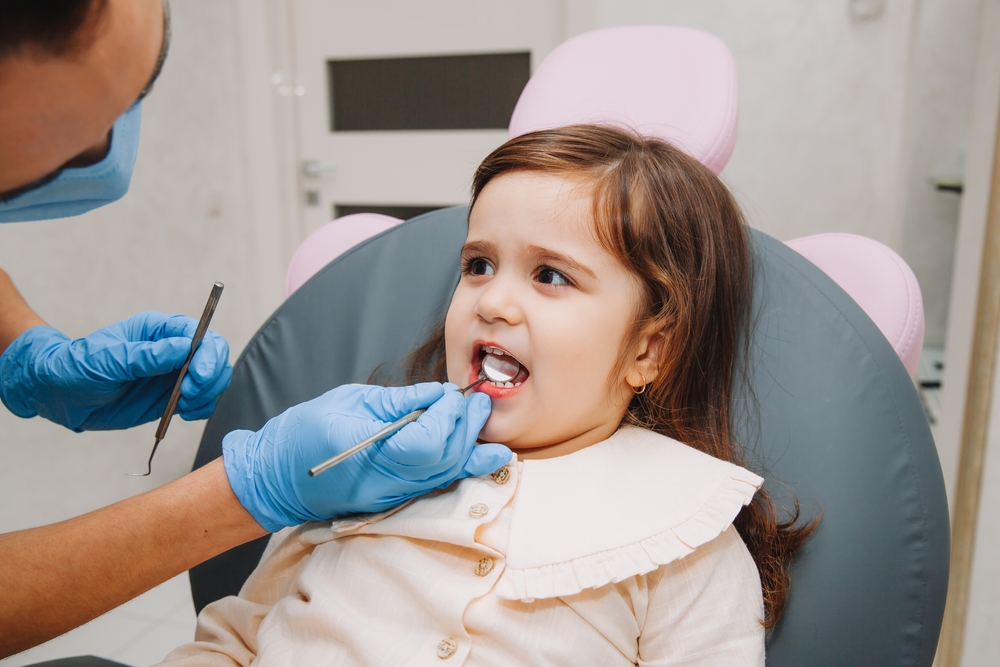
Many parents assume that baby teeth, also called primary teeth, are not very important because they eventually fall out. However, these small teeth play a vital role in a child’s overall development.
Baby teeth influence speech, nutrition, confidence, and even the proper alignment of adult teeth. Understanding their importance can help parents make informed decisions about oral care and visits to the Dentist.
1. The Purpose of Baby Teeth
Baby teeth start appearing around six months of age and usually continue to emerge until about age three. These twenty primary teeth are much more than placeholders for adult ones. They guide the permanent teeth into the correct position and help shape the jaw and facial structure.
If a baby tooth is lost too early—due to decay or injury—the surrounding teeth may shift, blocking the proper eruption path for the permanent tooth. This misalignment may lead to crowding or bite problems later in life. Regular visits to a Family Dentist can help monitor growth and catch any issues early.
2. The Role of Baby Teeth in Nutrition
Chewing is an essential part of healthy digestion. Baby teeth allow children to properly break down solid foods, making it easier for their bodies to absorb nutrients. When decay or discomfort prevents children from chewing, they may avoid nutritious options like fruits and vegetables.
A Dentist can help assess a child’s oral health and offer guidance on proper brushing, flossing, and dietary habits. Establishing these routines early may encourage children to take lifelong care of their teeth.
3. Baby Teeth and Speech Development
Teeth play an important role in forming sounds. As children learn to speak, the position and condition of their baby teeth affect how clearly they pronounce words. Missing or damaged teeth can make it harder for them to form sounds like “s,” “th,” or “f.”
Regular checkups with a Family Dentist may help ensure that the teeth and jaw develop properly. This preventive care can contribute to clearer speech patterns and confidence in communication.
4. Oral Hygiene Habits Start Early
Good oral care habits are best learned early in life. Teaching children to brush and floss while they still have their baby teeth sets the stage for healthy practices later on. Parents should assist children until they can manage these tasks effectively on their own.
A Dentist may recommend the right toothbrush, toothpaste, and techniques based on the child’s age. Visiting the dental clinic from an early age also helps reduce fear and build familiarity with dental care routines. Over time, this consistent attention may prevent cavities and gum issues as children grow.
5. Preventing Tooth Decay in Baby Teeth
Tooth decay in baby teeth is a common concern. Even though these teeth are temporary, decay can cause pain, infections, and difficulties with eating or speaking. Cavities in primary teeth may also affect the health of developing adult teeth beneath the surface.
Parents can help reduce the risk by avoiding sugary snacks, encouraging water instead of juice between meals, and maintaining regular Dentist visits. Professional cleanings and fluoride treatments may also help strengthen enamel and reduce the chances of decay.
Encourage Healthy Smiles at Brookside Family Dental (Leamington)!
Start your child’s dental journey on the right path with care from Brookside Family Dental (Leamington). Our team provides guidance, preventive checkups, and education for every stage of your family’s dental needs.